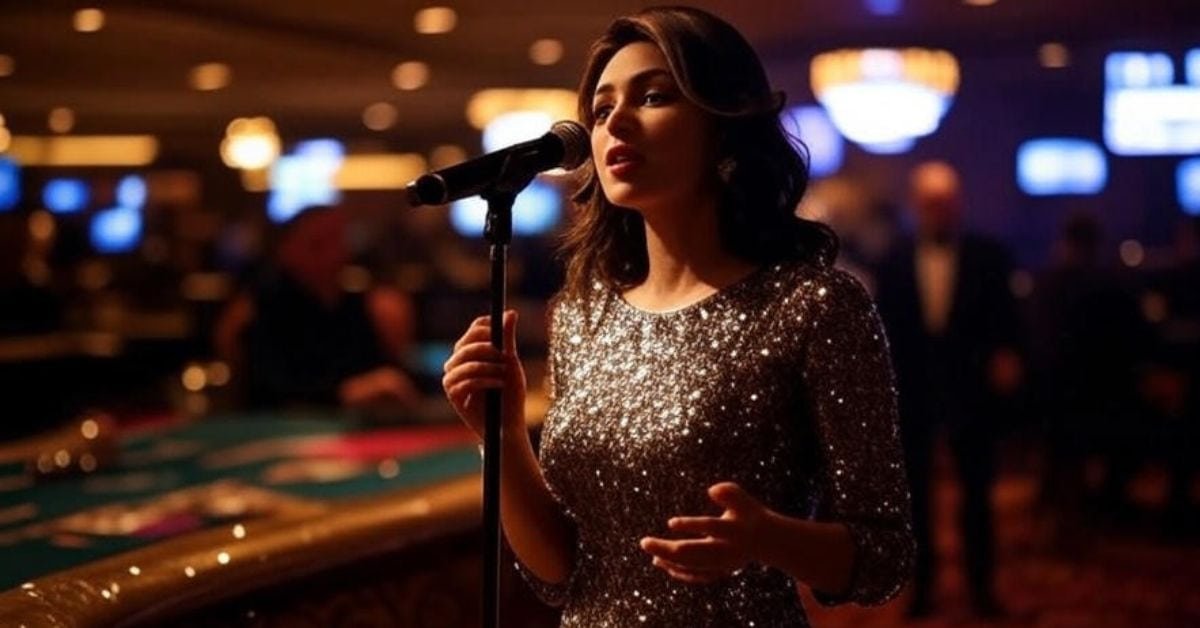
What are Fansqingers?
Fansqingers are a unique subset of singers who cater specifically to fandom communities, distinguishing themselves from traditional singers. Unlike mainstream artists who primarily focus on commercial success and broad audience appeal, fansqingers engage directly with the culture, values, and interests of specific fandoms. This engagement often manifests in the production of original music, covers, or adaptations that resonate with the themes and narratives of the fandom they belong to.
A defining characteristic of fansqingers is their deep connection to the subjects, characters, or events that inspire their music. They typically create content inspired by television shows, movies, books, or video games that have garnered a loyal following. This artistic expression serves as a means of exploring and celebrating their shared passions, allowing fans to connect with both the music and the broader fan community.
Moreover, fansqingers often utilize social media platforms to build their presence and interact with fans. This two-way communication fosters a sense of intimacy and belonging within the fandom, setting fansqingers apart from conventional singers who may have less direct interaction with their audiences. The close relationship allows fansqingers to receive immediate feedback, which can influence their future projects and collaborations.
In essence, fansqingers represent a significant evolution in the music landscape, embodying not only the artistry of singing but also the vibrant culture surrounding fandoms. Their contributions are pivotal in maintaining the lively spirit of fan communities, as they produce art that is both accessible and relevant to the experiences of fellow fans. Understanding the role of fansqingers is essential to appreciating the dynamic interplay between music and fan culture.
The Rise of Fansqingers in Popular Culture
In recent years, the phenomenon of fansqingers has emerged as a distinctive and influential element of popular culture. Fansqingers, individuals who passionately sing or perform songs related to their favorite fandoms, demonstrate a unique intersection of creativity and enthusiasm that has gained traction, particularly through the rise of social media and digital platforms.
The evolution of fansqingers can be traced back to the early days of internet forums and fan communities, where dedicated fans began sharing their interpretations of beloved soundtracks or creating original content inspired by various franchises. However, it was the advent of platforms such as YouTube, TikTok, and Instagram that propelled fansqingers into the spotlight. These platforms provided an accessible medium for fans to showcase their talents, enabling them to reach a broader audience and interact with fellow enthusiasts.
Numerous notable fansqingers have risen to prominence during this period, becoming influential figures within their respective communities. For example, artists like Jonathan Young and Caleb Hyles gained recognition for their interpretations of popular songs from video games and animated series, showcasing their vocal prowess and unique styles. Additionally, figures such as Tessa Violet have blended music and fandom, garnering a following that appreciates both their artistry and their connection to various fan cultures.
The impact of fansqingers on fandom and fan interactions cannot be understated. By creating music that resonates with a shared passion, fansqingers foster a sense of belonging among fans, encouraging collaboration and the exchange of ideas. This vibrant community not only amplifies individual voices but also nurtures a culture where creativity and fandom coexist harmoniously. The rise of fansqingers highlights the transformative power of art in connecting people across diverse backgrounds and interests.
The Influence of Fansqingers on Music and Fandom
Fansqingers, as pivotal figures in the music industry, exert a profound influence on both the soundscape and the culture surrounding it. Their unique approach to music not only shapes trends but also galvanizes a diverse array of fans. The blend of creativity and charisma exhibited by these artists cultivates a compelling auditory experience that resonates with audiences on various emotional levels. This engagement ultimately encourages fandom growth and loyalty, transforming casual listeners into ardent supporters.
Moreover, fansqingers often inspire emerging artists, serving as a beacon of innovation and artistic expression. By embracing originality and pushing musical boundaries, they create a blueprint that newcomers aspire to follow. This ripple effect fosters an environment of creativity, where the influence of established fansqingers promotes a cycle of artistic inspiration. As new genres and styles continue to emerge, the impact of these influential figures remains ever-present.
In terms of community building, fansqingers play a crucial role in fostering deeper connections among fans. Through social media interactions, live performances, and fan engagement initiatives, they create a sense of belonging that transcends geographical barriers. Fans connect not only with the music but also with each other, forming vibrant communities that enhance the fan experience. Consequently, the identity of fandoms becomes intricately linked to the values and messages conveyed by fansqingers.
Through their artistry and connectivity, fansqingers significantly shape the identity of various fandoms. The music they produce often encapsulates the sentiments and aspirations of their supporters, creating a shared musical narrative that strengthens bonds within the community. This dynamic interplay between the artists and their fans underscores the essential role that fansqingers fulfill in the cultural landscape of music and fandom.
Navigating the Future of Fansqingers
The landscape of music is continuously evolving, influenced by technological advancements, societal shifts, and changing consumer behaviors. In this dynamic environment, the role of fansqingers, those dedicated individuals who embody and amplify fan culture, is becoming increasingly significant. As streaming platforms gain prominence, fansqingers have the opportunity to harness their platforms to connect deeply with their audiences, offering personalized experiences and fostering community engagement.
Emerging trends suggest that fansqingers will adopt innovative approaches to content creation, utilizing live streaming, virtual meet-and-greets, and other interactive formats to reach their fanbase. With the rise of social media platforms, fansqingers can amplify their messages and engage with followers in real-time, thus fostering a closer bond between artists and fans. The integration of augmented reality (AR) and virtual reality (VR) may also play a pivotal role in the future of fansqingers, providing immersive experiences that enhance fan interaction and participation.
However, the future is not without challenges. As markets become saturated with competing voices in fan culture, fansqingers must navigate the delicate balance of authenticity and commercialization. The need for originality and genuine connection will be paramount, especially as audiences grow increasingly discerning about whom they choose to follow. Furthermore, the fast-paced evolution of technology requires fansqingers to adapt efficiently, lest they become obsolete in a constantly shifting digital landscape.
Ultimately, the relationship between fans, fansqingers, and established artists is poised to transform. A collaborative ecosystem may emerge, where fansqingers serve as bridges, cultivating connections that elevate both new and established talents. As this multifaceted interplay continues to develop, the presence and influence of fansqingers will likely play a crucial role in shaping the music industry’s future.
